
At some point, most women navigating perimenopause or menopause find themselves standing at a crossroads. The symptoms are real: hot flashes, sleep disruption, brain fog, and mood shifts that feel like they belong to someone else entirely. And the question inevitably comes: what do I do about it? For many women, that question leads straight to HRT. For others, it leads to exploring HRT alternatives and wondering whether they can get the same level of relief without hormones.
Both are valid questions. And both deserve a real answer.
Hormone replacement therapy (HRT) has helped millions of women manage menopause symptoms effectively, and the science behind it is solid. But HRT isn’t the only answer. And for some women, it isn’t the right one. HRT alternatives have come a long way—from lifestyle interventions to plant-based botanicals to CBD suppositories designed specifically for the menopause transition. The options are broader, more effective, and more accessible than most women realize.
This isn’t a piece designed to steer you away from HRT or towards it. It’s an honest, no-pressure guide to understanding both sides—because the best decision is always an informed one. By the end, you’ll have a clearer picture of what HRT does well, what HRT alternatives look like in practice, and how to start thinking through what might work best for you.
What Is HRT?
Hormone replacement therapy is exactly what it sounds like. As estrogen and progesterone levels decline during perimenopause and menopause, HRT works by supplementing those hormones to bring levels back up to a range that reduces symptoms. It’s been used in women’s health for decades and remains one of the most well-studied interventions available for menopause symptom management.
It’s most commonly recommended for women experiencing moderate to severe menopause symptoms—hot flashes, night sweats, vaginal dryness, sleep disruption, and mood changes—where the impact on quality of life is significant. It’s also prescribed to support bone density, as declining estrogen levels accelerate bone loss and increase the risk of osteoporosis.
How Does It Work?
HRT comes in several forms—patches, pills, gels, creams, and vaginal rings—and is typically prescribed in one of two ways. Estrogen-only HRT is generally recommended for women who have had a hysterectomy. Combined HRT, which includes both estrogen and progesterone, is recommended for women who still have their uterus, as progesterone protects the uterine lining from the effects of estrogen alone.
HRT is a legitimate, evidence-based option. For many women, it’s genuinely life-changing. Understanding how it works is the first step to knowing whether it’s the right fit—or whether HRT alternatives might better suit your needs.
The Benefits of HRT
For women dealing with moderate to severe menopause symptoms, it remains one of the most effective interventions available—and it deserves to be talked about honestly, without the fear and misinformation that has surrounded it for decades.
Hot flashes, night sweats, sleep disruption, mood shifts, vaginal dryness—HRT addresses all of them, and for many women, the relief is significant. It also supports bone density at a time when declining estrogen accelerates bone loss, reducing the risk of osteoporosis and fracture later in life.
HRT is a powerful tool—and one that more women should feel confident discussing openly with their doctor. But it isn’t the right fit for everyone, and that’s worth talking about too.
Women Might Want to Explore HRT Alternatives
There are a few different reasons a woman might find herself looking beyond HRT—and none of them require justification.
Some women aren’t candidates for HRT. A personal or family history of certain cancers, blood clots, or cardiovascular conditions can make hormonal therapy unsuitable—and for these women, finding effective HRT alternatives isn’t a preference; it’s a necessity.
Others are candidates but choose not to use it. Whether it’s a preference for hormone-free approaches, a wariness about long-term hormonal intervention, or simply a desire to try other options first—that’s a completely valid place to start.
And then some women are already on HRT but want more. Women who find that HRT manages some symptoms well but leaves others—like sleep disruption, pelvic discomfort, or mental fatigue—still present. In fact, many Hello Again customers use our CBD suppositories alongside HRT for exactly this reason. For these women, HRT alternatives aren’t a replacement. They’re a complement.
Whatever the reason, the decision to explore hormone-free menopause support is one more women are making—and the options available to them have never been better.
What Hormone-Free Menopause Support Looks Like
For women navigating menopause without hormones, or looking to complement their existing care, here’s what effective hormone-free support can actually look like.
CBD & Plant-Based Cannabinoids
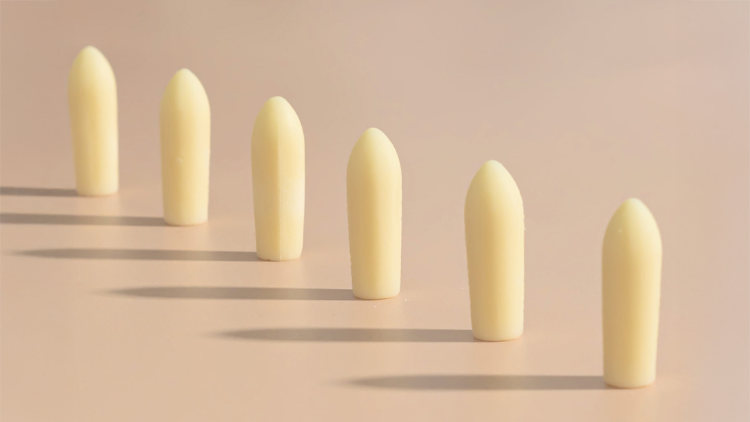
Cannabinoids are emerging as one of the most promising areas of hormone-free menopause support, and Hello Again sits squarely at the intersection of botanical integrity and modern wellness. Their CBD vaginal suppositories are hormone-free, plant-powered, and made with clean, natural ingredients that are third-party tested for purity and potency, targeted, effective, and designed specifically for the women who need them most.
Botanicals & Plant-Based Support
Nature has a surprisingly robust toolkit for relieving menopause symptoms. Black cohosh, ashwagandha, valerian root, and evening primrose oil have all been studied for their ability to ease hot flashes, support sleep, and reduce anxiety. These aren’t miracle cures, but as part of a considered approach, they can make a meaningful difference.
Lifestyle
The foundations matter more than most women realize. Regular movement, particularly strength training, supports bone density, improves mood, and helps the body manage hormonal shifts more effectively. Quality sleep becomes both harder to achieve and more important to protect during menopause, making sleep hygiene a non-negotiable. And stress management isn’t optional — chronically elevated cortisol actively disrupts the hormonal balance your body is already working hard to maintain.
Nutrition
A diet rich in phytoestrogens found in foods like flaxseed, soy, and legumes can help moderate some of the effects of naturally declining estrogen. Prioritizing blood sugar stability reduces cortisol spikes, supports mood, and helps manage weight changes that often accompany menopause. Calcium and vitamin D become increasingly important for bone health as estrogen declines.

How CBD and Other Plant-Based Cannabinoids Support Menopause Symptoms
To understand why cannabinoids are such a promising HRT alternative, it helps to know a little about the endocannabinoid system—and what it has to do with your hormones.
The endocannabinoid system (ECS) is your body’s internal balancing system, regulating everything from mood and sleep to pain perception and inflammation. And it’s more connected to your hormones than most people realize. Estrogen influences ECS activity—which means as estrogen declines during menopause, the ECS can become dysregulated, amplifying many of the symptoms women experience.
CBD and plant-based cannabinoids work by directly supporting the ECS—helping regulate mood, ease inflammation, improve sleep, and reduce pain perception. They don’t replace hormones. But they do support the system that hormones help regulate.
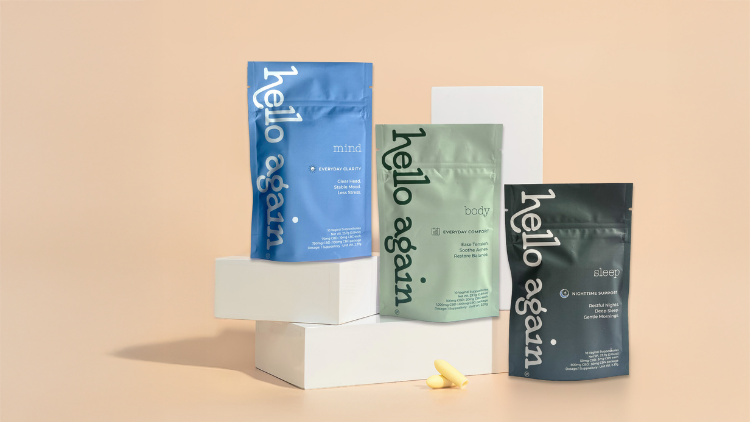
For women navigating menopause, that distinction matters. Hello Again’s CBD suppositories deliver targeted, hormone-free cannabinoid support via a format that absorbs quickly and gets to work fast—with specific pairings designed for sleep, mental clarity, and physical relief.
HRT vs. Hormone-Free: How to Decide
There’s no universal right answer here—and anyone who tells you otherwise isn’t giving you the full picture. What works for one woman may not work for another, and the best decision is always the one made with accurate information, an honest conversation with your doctor, and a clear sense of your own priorities.
That said, here’s a framework for thinking it through.
Start With Your Symptoms
How severe are they? How much are they affecting your quality of life? Women with moderate to severe hot flashes, significant sleep disruption, or accelerated bone loss may find that HRT offers the most immediate and comprehensive relief. Women with milder symptoms, or symptoms concentrated in specific areas—pelvic discomfort, mental fatigue, sleep—may find that HRT alternatives address what they need without the addition of hormones.
Consider Your Health History
HRT isn’t suitable for everyone. Before making any decision, in either direction, talk with your doctor about your personal and family medical history.
Think About Your Preferences
Some women feel strongly about avoiding hormonal intervention. Others are open to HRT but want to complement it with hormone-free support. Neither position requires justification. What matters is that your approach reflects your values and your body—not someone else’s.
Give It Time and Stay Curious
Hormone-free menopause support—whether through lifestyle, botanicals, or CBD suppositories—often works best as part of a consistent, considered routine rather than a quick fix. And HRT itself may need to be adjusted before it feels right. Either way, this is an ongoing conversation with your body, not a one-time decision.
You Have More Options Than You Think
Menopause is not a one-size-fits-all experience—and neither is the support available. Whether you choose HRT, explore HRT alternatives, or find that a combination of both works best for you, the most important thing is that you feel informed, empowered, and supported in making that choice.
The conversation around menopause is finally opening up. Women are asking better questions, demanding better answers, and refusing to accept that feeling off is just part of getting older. That shift matters. And you deserve to be part of it—with access to every option available to you.
If you’re curious about hormone-free support that’s plant-powered, targeted, and designed specifically for women navigating menopause, Hello Again is a good place to start. Explore the range and find your fit.
Key Takeaways
- HRT Is Effective—And It’s Not the Only Option: For many women, it’s genuinely life-changing, but it isn’t suitable or preferable for everyone. Knowing both sides helps you make a better decision.
- HRT Alternatives Have Come a Long Way: Lifestyle, nutrition, botanicals, and CBD suppositories offer meaningful, hormone-free menopause support—whether used alone or alongside HRT.
- The Endocannabinoid System Is the Missing Piece of the Conversation: CBD and plant-based cannabinoids support the system that declining estrogen disrupts—making them a logical, targeted option for menopause symptom relief.