
At some point, many women begin noticing subtle changes in their bodies. Sleep feels different. Mood shifts appear out of nowhere. Periods become unpredictable. These experiences are often early signs of menopause, and they’re usually what prompt women to start asking whether the transition may be beginning.
The truth is, menopause doesn’t arrive overnight. Most women move through a gradual transition that includes perimenopause, menopause, and postmenopause. Each phase brings its own hormonal shifts, which is why the experience can look different from woman to woman. Some women notice subtle changes first, while others experience more recognizable signs like menopause hot flashes, sleep disruption, or mood changes.
Understanding these stages can make those changes feel less mysterious. Recognizing early perimenopause symptoms and the broader signs of menopause helps women better understand what their bodies are doing—and what kind of support may help along the way.
Understanding the Stages of Menopause
When women start wondering, “Am I in menopause?” the answer often depends on where they are in the broader transition. Transitions happen as the body moves through three stages: perimenopause, menopause, and postmenopause. Each phase reflects different hormonal changes in menopause, which is why symptoms can shift over time and look different from woman to woman.
Perimenopause
Perimenopause marks the beginning of the menopause transition. During this stage, estrogen and progesterone levels start to fluctuate more noticeably as the ovaries gradually reduce hormone production. These shifts can begin several years before menopause itself, which is why many women start wondering, “Am I in menopause?” even while they are still having periods.
Perimenopause symptoms often appear gradually. Many women notice irregular cycles first—periods may arrive earlier or later than usual, become heavier or lighter, or skip months entirely. Other common perimenopause symptoms include sleep disruption, mood changes, brain fog, and the occasional hot flash. Because hormone levels fluctuate unpredictably during this stage, symptoms can come and go rather than follow a clear pattern.
These changes reflect the early hormonal shifts of menopause that signal the body’s transition to the next phase. While the experience looks different for every woman, understanding perimenopause can make these shifts feel less surprising and easier to navigate.
Menopause
Menopause refers to the point when a woman has gone 12 consecutive months without a menstrual period. At this stage, the ovaries significantly reduce their production of estrogen and progesterone, marking a major shift in hormone activity.
These hormonal changes in menopause often trigger some of the most recognizable signs of menopause, including hot flashes, sleep disruption, and mood shifts. Some women also notice changes in metabolism, libido, or vaginal health as hormone levels decline.
For many women who have been experiencing the signs of menopause for years, reaching this milestone finally answers the question: ” Am I in menopause, or still in perimenopause? While symptoms can continue for some time, menopause marks the official end of the reproductive cycle.
Postmenopause
Postmenopause begins after menopause has occurred and continues for the rest of a woman’s life. During this stage, estrogen and progesterone levels remain lower than they were during the reproductive years, but they tend to stabilize as the body adjusts.
Some symptoms improve as the body settles into this new hormonal baseline. Others, such as vaginal dryness or menopause sleep problems, may continue for some women. Understanding postmenopause helps put the menopause transition into perspective.
While hormone levels remain lower, many women find that once their bodies adjust, they develop a new sense of balance and well-being in this stage of life.

When Do Most Women Enter Menopause?
Menopause does not begin at the same age for every woman, but most reach it around age 51. While that milestone happens in the early fifties for many women, the hormonal transition usually begins earlier.
Most women start experiencing perimenopause in their 40s, when estrogen and progesterone levels begin to fluctuate more noticeably. During this stage, cycles may become irregular, and early symptoms can appear. These hormonal changes in menopause often explain why women begin noticing shifts in sleep, mood, or menstrual patterns years before menopause itself.
The overall age range for menopause can vary widely. Some women reach menopause in their late 40s, while others continue having periods into their mid-50s. Genetics, health history, and lifestyle factors can all influence when menopause begins.
A smaller number of women experience early or premature menopause, which occurs before age 45. In these cases, early signs of menopause—such as irregular periods, hot flashes, sleep disruption, or mood changes—may appear sooner than expected. Because the timing of menopause can vary, understanding how hormones affect women throughout this transition can help make these changes feel more predictable and easier to navigate.
Common Signs of Menopause and Why They Happen
The menopause transition often begins with subtle shifts in the body. Hormonal changes during perimenopause—particularly fluctuating estrogen and progesterone—can influence everything from menstrual cycles to sleep, mood, and metabolism. While every woman’s experience looks different, many notice similar early signs of menopause as these hormone levels begin to change.
Irregular Periods
Changes in the menstrual cycle often mark one of the earliest perimenopause symptoms. Periods may arrive earlier or later than expected, become heavier or lighter, or skip months entirely. These shifts occur because the ovaries produce estrogen and progesterone less consistently, which affects the hormonal signals that regulate the menstrual cycle.
Hot Flashes and Night Sweats
Sudden waves of heat, flushing, or sweating are among the most recognizable signs of menopause. Estrogen helps regulate the body’s internal temperature system, so when estrogen levels fluctuate, the brain can become more sensitive to small changes in body temperature. Fluctuating estrogen levels help explain why hot flashes and night sweats often appear during the menopause transition.
Mood Changes
Hormones interact closely with brain chemicals that influence emotional balance. Fluctuating estrogen levels can affect serotonin and other neurotransmitters, which may contribute to irritability, anxiety, or unexpected mood shifts during perimenopause.
Sleep Disruption
Many women notice changes in sleep during the menopausal transition. Hormonal fluctuations can affect the brain systems that regulate sleep cycles, making it harder to fall asleep or stay asleep. Night sweats can also interrupt rest, which is why menopause sleep problems are so common.
Brain Fog
Difficulty concentrating, forgetfulness, or mental fatigue can also appear during this time. Estrogen supports several cognitive functions, including memory and mental clarity. As hormone levels fluctuate, some women temporarily notice changes in focus or mental sharpness.
Vaginal Dryness and Libido Changes
Estrogen helps maintain the elasticity, thickness, and natural moisture of vaginal tissue. As estrogen levels decline, the tissue can become thinner and drier, which may lead to discomfort or changes in sexual desire.
Metabolism Changes
Hormones also influence how the body uses energy and stores fat. During perimenopause and menopause, declining estrogen levels can affect metabolism and insulin sensitivity. Some women notice changes in weight distribution or shifts in energy levels as a result of these hormonal changes in menopause.
Supporting Your Body Through Menopause
The menopause transition brings natural hormonal shifts, but there are ways to support the body as it adjusts. Understanding how hormones affect women during this stage can help guide lifestyle choices that promote balance, comfort, and overall well-being.
Prioritize Consistent Sleep Habits
Hormonal changes in menopause can make restful sleep harder to maintain. Creating consistent sleep routines—such as going to bed at the same time each night, limiting screen exposure before bed, and keeping the bedroom cool—can help support more stable sleep patterns.
Manage Stress Levels
Stress hormones can interact with other hormonal systems in the body. Practices like regular movement, mindfulness, and time spent outdoors can help regulate stress responses and support emotional balance during this stage.
Explore Hormone-Free Wellness Approaches
Many women choose to support their bodies without adding synthetic hormones. Approaches such as plant-based wellness products, supportive nutrition, and targeted self-care routines can complement the body’s natural adjustments during the menopause transition.
Support Vaginal Health
Declining estrogen levels can affect vaginal tissue, leading to dryness or discomfort. Gentle hydration, supportive products designed for vaginal tissue, and open conversations with healthcare providers can help women maintain comfort and vaginal health during menopause.
Make Supportive Lifestyle Adjustments
Small daily habits can also make a difference. Balanced nutrition, regular physical activity, and staying hydrated can help support metabolism, energy levels, and overall resilience as the body adapts to ongoing hormonal changes in menopause.
Hormone-Free Support Options
Because menopause involves significant hormonal changes, many women feel hesitant about adding more hormones into the mix. For some women, this leads them to explore wellness approaches that support the body without introducing additional hormones.
As you can see from above, many wellness approaches focus on supporting the body as it adjusts to these changes. That can include prioritizing sleep, managing stress, supporting vaginal tissue health, and paying attention to the body’s systems that help maintain balance.
One system that has gained attention in recent years is the endocannabinoid system, which helps regulate functions like mood, sleep, inflammation, and stress response. Because these areas often shift during menopause, some women explore cannabinoid-based wellness approaches as part of their routine.
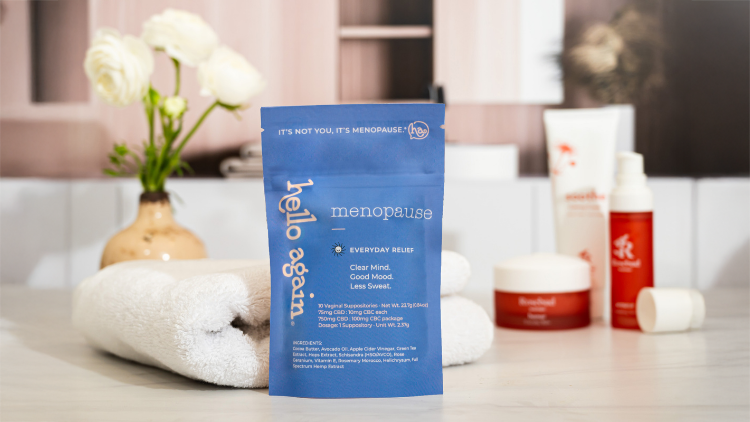
That’s part of the idea behind Hello Again. The brand offers plant-powered vaginal suppositories designed to support women during menopause transitions. By combining cannabinoids with purposeful botanicals, the formulas provide hormone-free support that works with the body’s natural rhythms—helping support your mind, body, and sleep through each stage of womanhood.
When to Talk to a Doctor
Nearly half of women say they’ve felt dismissed or not taken seriously when discussing menopause symptoms with a healthcare provider, according to a menopause health survey. That experience can make it harder to speak up about what’s changing in your body—but your symptoms and questions deserve attention. Understanding the signs of menopause can help you start informed conversations and advocate for your health.
While many menopause symptoms are a normal response to shifting hormones, some situations are worth discussing with a doctor. It may be helpful to seek medical guidance if you experience sudden changes in your menstrual cycle, very heavy bleeding, persistent sleep loss, or symptoms that begin interfering with daily life.
Having these conversations can help rule out other health concerns and provide clarity about what your body is experiencing. If something feels off, trust that instinct and continue asking questions—advocating for yourself is an important part of navigating hormonal changes during menopause.

The Bottom Line: Understanding the Menopausal Changes
Menopause is a natural stage of life, but the experience can look very different from one woman to the next. Some move through the transition with only mild signs of menopause, while others notice more significant shifts in sleep, mood, metabolism, or menstrual patterns. Much of this variation stems from how hormonal changes during menopause affect each person differently.
Understanding how hormones affect women during this transition can make those changes feel less confusing and more manageable. When women recognize what their bodies are adjusting to, it becomes easier to explore supportive habits, wellness strategies, and hormone-free options that help them move through menopause with more clarity and confidence.
Key Takeaways
- Recognizing the Signs of Menopause Helps Women Understand What Their Bodies Are Experiencing: Changes in sleep, mood, cycles, and energy often reflect natural hormonal shifts during the menopausal transition.
- Hormonal Changes in Menopause Affect More Than the Reproductive System: Estrogen and progesterone influence sleep, metabolism, mood, and vaginal health, which is why symptoms can show up in many areas of daily life.
- Women Have Options for Support During Menopause: Lifestyle habits, hormone-free wellness approaches, and products designed for women’s health can help maintain balance in mind, body, and sleep throughout the transition.