
Some days you feel energized, focused, and ready to take on the world. Other days, you’re exhausted, irritable, and wondering what changed. More often than not, those shifts trace back to hormones. Understanding how hormones affect women can make those ups and downs feel a lot less confusing.
Hormones are the body’s chemical messengers, traveling through the bloodstream and telling different systems how to function. In women, that system is especially dynamic. Across monthly cycles, pregnancy, perimenopause, and menopause, there are constant hormonal changes in women that influence everything from energy and metabolism to mood and sleep.
The important thing to remember is that hormones rarely work alone. Sleep, stress, metabolism, and reproductive health are all connected through a complex hormonal network. To better understand how hormones affect women, it helps to take a closer look at the key hormones that shape daily health—from estrogen and progesterone to cortisol, serotonin, and insulin.
How Hormones Work Together
Hormones rarely work alone in the body. They constantly interact and influence one another, which helps explain how hormones affect women. When one hormone shifts, it can trigger changes in several others.
For example, estrogen and progesterone work closely together to regulate the menstrual cycle and support reproductive health. Estrogen can also influence serotonin activity in the brain, which helps explain the connection between hormones and mood. At the same time, stress hormones like cortisol can interfere with reproductive hormones, sometimes disrupting cycles or affecting sleep.
Metabolic hormones also influence how the body functions day to day. When insulin resistance develops in women, it can affect testosterone levels and contribute to broader hormonal changes that influence energy, metabolism, and cycle regularity.
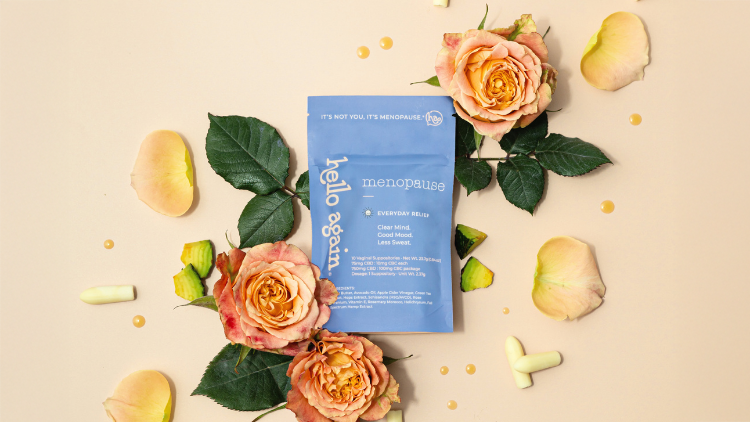
Hormones in Women vs. Men
Women and men share many of the same hormones, including estrogen, testosterone, insulin, and cortisol. The way those hormones fluctuate, however, looks very different. In women, hormone levels rise and fall throughout the menstrual cycle. They also shift during life stages like pregnancy, perimenopause, and menopause. These regular hormonal changes in women help explain why mood, energy, hormones, and sleep patterns can vary over time.
Men experience hormonal changes, too, but their levels tend to stay more stable day to day. Testosterone is the dominant reproductive hormone in men, while estrogen and progesterone play larger roles in women’s reproductive health. Understanding these differences helps explain how hormones affect women, and why women may notice more frequent shifts in mood, sleep, and overall well-being.
Estrogen
If there’s one hormone most people associate with women’s health, it’s estrogen. Estrogen plays a major role in regulating the menstrual cycle, but its influence goes far beyond reproduction. It helps maintain bone density, supports skin health, regulates body temperature, and keeps vaginal tissue healthy. Estrogen also interacts closely with brain chemistry, which is why it plays such an important role in hormones and mood.
Estrogen levels naturally rise and fall throughout the menstrual cycle, helping regulate everything from ovulation to mood. Over time, those patterns begin to change. During perimenopause and menopause, estrogen gradually declines, driving many of the most noticeable hormonal changes in women.
Estrogen influences multiple systems in the body. As a result, shifts in this hormone affect more than the reproductive cycle. When estrogen levels drop, many women experience hot flashes, vaginal dryness, sleep disruption, and mood changes. These changes show how hormones affect women. They can influence mood, sleep, and overall daily well-being.
Progesterone
If estrogen sets the pace of the menstrual cycle, progesterone helps steady it. Often called the body’s calming hormone, progesterone rises after ovulation and works to balance the effects of estrogen and progesterone throughout the second half of the cycle. It plays an important role in preparing the body for pregnancy, but it also influences sleep, relaxation, and emotional stability.
Progesterone tends to promote a sense of calm in the nervous system, which is why it’s often linked to better sleep and emotional balance. When progesterone levels are healthy, many women notice steadier energy, fewer mood swings, and improved hormones and sleep patterns. But when progesterone drops—or when estrogen and progesterone fall out of balance—those shifts can show up as anxiety, irritability, trouble sleeping, or heavier periods.
Like estrogen, progesterone levels change naturally over time. As women move into perimenopause, ovulation becomes less consistent, which means progesterone levels may fluctuate more dramatically. These hormonal changes in women can contribute to mood shifts, sleep disruption, and cycle irregularities that many women begin to notice during this stage of life.
Testosterone
Many people associate testosterone with men, but women produce it too—just in smaller amounts. In women, testosterone helps support energy levels, muscle strength, motivation, and sexual desire. Its role offers another example of how hormones affect women, influencing both physical vitality and mental drive.
Healthy testosterone levels support confidence, focus, and overall stamina throughout the day. It also helps maintain muscle mass and supports bone health, alongside estrogen and progesterone. Because these hormones interact, shifts in one can influence the others, contributing to the broader hormonal changes in women across different life stages.
Testosterone levels tend to decline with age. For some women, lower levels may contribute to fatigue, reduced libido, or a general feeling of low motivation. Testosterone may receive less attention than estrogen or progesterone, but it still plays an important role in hormones and mood, energy, and overall well-being.
Insulin
Insulin doesn’t always get included in conversations about women’s hormones, but it plays a major role in how the body manages energy. Produced by the pancreas, insulin helps regulate blood sugar by moving glucose from the bloodstream into the body’s cells, where it can be used for fuel. This process influences metabolism, appetite, and energy stability.
When insulin functions properly, blood sugar levels stay relatively steady throughout the day. But when the body becomes less responsive to insulin—a condition known as insulin resistance in women—blood sugar levels can fluctuate more dramatically. These shifts may lead to energy crashes, increased cravings, weight gain, and changes in the menstrual cycle. Insulin resistance is also closely linked to conditions like PCOS.
Because insulin interacts with other hormones, it can influence broader hormonal changes in women. Fluctuations in insulin levels may affect testosterone production and contribute to shifts in hormone levels, mood, metabolism, and overall energy. Like many hormones in the body, insulin works as part of a larger network rather than acting on its own.
Cortisol
Cortisol is the body’s primary stress hormone. Produced by the adrenal glands, it helps regulate the fight-or-flight response and plays a key role in how the body handles pressure, danger, and daily demands. In healthy amounts, cortisol and stress hormones help control blood pressure, support metabolism, and keep the body alert when needed. But when stress becomes constant, cortisol levels can stay elevated longer than they should.
Chronic stress can disrupt sleep, affect appetite, and leave the body feeling wired yet exhausted. Over time, high cortisol levels can also interfere with other hormones, including estrogen and progesterone, which helps explain why prolonged stress often contributes to irregular cycles or mood shifts. This interaction between stress and reproductive hormones is another example of how hormones affect women in everyday life.
When cortisol remains elevated, it may make it harder to fall asleep or stay asleep through the night. Hormonal changes in women rarely come from a single hormone. They often reflect the effects of several hormones responding to factors such as stress, sleep, and lifestyle.
Serotonin and Melatonin
Serotonin and melatonin play a major role in how women feel day to day. Serotonin helps regulate mood, emotional stability, and even appetite, making it an important factor in hormonal regulation. Melatonin, on the other hand, controls the body’s sleep–wake cycle, signaling when it’s time to wind down and rest. Together, these messengers help explain why sleep and mood are so closely connected.
These two hormones also interact with other parts of the hormonal system. Estrogen, for example, helps support serotonin activity in the brain. When estrogen levels fluctuate—during the menstrual cycle, postpartum, or menopause—it can influence emotional balance and energy levels. This relationship is one of the clearest examples of how hormones affect women, especially when mood or sleep changes seem to appear suddenly.
Melatonin production can also shift with age and hormonal changes. As women move through perimenopause and menopause, sleep disruptions often become more common, partly due to changes in melatonin and estrogen levels. These broader hormonal changes in women help explain why hormone- and sleep-related issues tend to increase during midlife and beyond.
Hormonal Literacy Matters
Many women grow up hearing that fatigue, mood swings, sleep disruption, or painful cycles are simply “part of being a woman.” While hormonal shifts are normal, that doesn’t mean the symptoms surrounding them should be ignored or dismissed. Learning how hormones affect women can help make sense of these changes and give women the language to have more informed conversations about their health.
Hormonal literacy also helps explain why symptoms often overlap. Changes in estrogen and progesterone, stress hormones like cortisol, and shifts in hormones and sleep or hormones and mood are all part of the broader hormonal changes in women that occur across different life stages. Understanding these connections allows women to recognize better what their bodies are communicating, rather than feeling caught off guard by the changes.
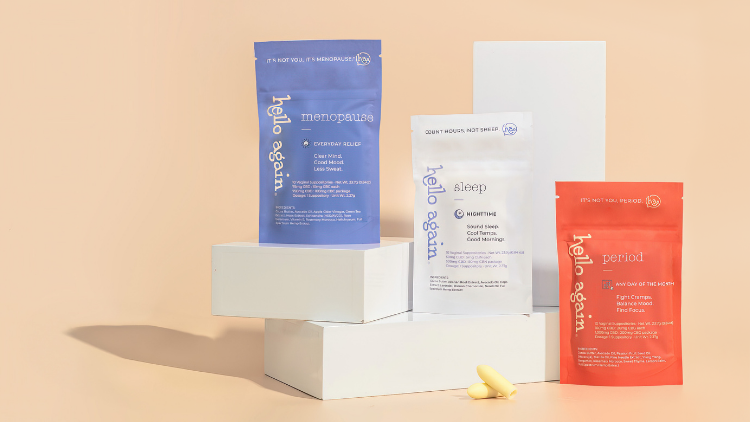
At Hello Again, this understanding shapes our approach to women’s wellness. Our formulas use plant-powered vaginal suppositories designed to support the body without introducing synthetic hormones. By working with the body’s endocannabinoid system, this delivery method can help support hormonal balance—particularly in areas such as sleep, mood, and cycle-related discomfort. The goal isn’t to override the body’s natural rhythms, but to support them in a way that works with how women’s hormones function.
Understanding Your Hormones
Hormones naturally fluctuate throughout life, and many of the shifts women experience are simply part of the body’s rhythm. Understanding how hormones affect women doesn’t mean every symptom needs to be fixed. Often, it just means recognizing what your body is communicating.
Hello Again makes hormone-free products, but we regularly hear questions about hormones and overall wellness. Those questions reflect something important: women want to understand what’s happening in their bodies. Learning about hormonal changes in women and how hormones like estrogen and progesterone interact with stress, sleep, and metabolism helps create more informed conversations about health.
The more women understand about hormones and mood, hormones and sleep, and the broader hormonal system, the easier it becomes to make decisions with confidence. Hormones will always shift—but knowledge makes those changes far easier to navigate.
Key Takeaways
- Hormones Influence Far More Than Reproduction: Hormones like estrogen, progesterone, cortisol, and insulin help regulate mood, sleep, metabolism, and energy, shaping how women feel day to day.
- Hormones Work Together as a System: Changes in estrogen and progesterone, stress hormones like cortisol, and metabolic hormones such as insulin often influence one another, affecting hormones and mood, sleep, and overall balance.
- Understanding Hormones Creates Clarity and Confidence: Learning how hormones affect women helps explain common body changes and supports more informed, empowered conversations about health.