
Doctor’s appointments look different in your 40s. You’re showing up with symptoms that are harder to name, a growing list of specific women’s health questions, and fifteen minutes that never feel like enough. Somewhere between the small talk and the rushed wrap-up, the things you meant to ask just didn’t come up. You drive home with the same vague unease you walked in with.
Your 40s are sending signals worth paying attention to. The sleepless nights, the brain fog, the mood shifts that seem to come from nowhere, the cycle that’s started doing its own thing—none of it deserves a shrug and a “that’s just part of getting older.”
The symptoms are real, the shifts are real, and you deserve real answers. It starts with knowing what to ask.
Why Your 40s Are the Decade to Start Asking More
A lot changes in your 40s, and most of it starts with hormones. Estrogen and progesterone begin to shift, sometimes gradually, sometimes all at once, and the effects ripple into nearly every area of your health. Sleep, mood, energy, focus, cycle regularity—all of it connects back to what your hormones are doing.
For many women, this is also when perimenopause begins. It can start earlier than most people expect—mid-40s, sometimes sooner—and it doesn’t announce itself cleanly. It shows up as symptoms that are easy to dismiss or attribute to stress, aging, or just being busy.
Your 40s are the decade to stop accepting vague answers and start asking better questions. The more informed you are when you walk into that appointment, the more you walk out with.
Here are ten women’s health questions to bring to your next appointment. Consider this the list you wish someone had handed you sooner.
10 Women’s Health Questions Worth Asking
1. Is what I’m feeling normal for my age?
It’s the question most women think but never ask out loud. The fatigue, the mood shifts, the body that feels like it’s running on a different operating system—it’s easy to chalk it all up to stress or a busy life. But your doctor can help you distinguish between what’s hormonal, what’s worth investigating further, and what genuinely falls within the normal range for this stage of life. You deserve a real answer, not a dismissal.
2. Could this be perimenopause?
Perimenopause can start earlier than most women expect—sometimes as early as the mid-30s, but more commonly in the mid-to-late 40s. It doesn’t arrive with a clear announcement. Instead, it shows up as irregular periods, disrupted sleep, mood changes, and brain fog that seem to come out of nowhere. Ask your doctor directly. If perimenopause is a possibility, knowing that changes everything about how you approach your symptoms.
3. What should I know about perimenopause and menopause?
Perimenopause is the transition leading up to menopause—the point when you’ve gone 12 consecutive months without a period. The transition can last anywhere from a few years to a decade, and the symptoms vary widely from woman to woman. Ask your doctor what to expect, what to watch for, and what your options are—both hormonal and non-hormonal—so you can make informed decisions about your care before symptoms escalate.
4. Why am I not sleeping as I used to?
Sleep disruption is one of the most common and least addressed symptoms of hormonal change—and one of the most important questions in women’s health to bring to your doctor. Research shows that 40 to 60 percent of women in perimenopause and menopause experience sleep difficulties—and most don’t receive satisfactory treatment because the problem is minimized or misunderstood. Declining estrogen and progesterone directly affect sleep architecture, making it harder to fall asleep, stay asleep, and reach the deep sleep your body needs to recover. If you’re waking up at 3 AM or lying awake with a racing mind, bring it up. Sleep deprivation compounds every other symptom—and there are real options for addressing it.
5. What’s causing my brain fog?
Forgetting words mid-sentence, walking into a room and immediately forgetting why, struggling to concentrate the way you used to—brain fog is real, it’s hormonal, and it’s worth naming out loud at your appointment. Estrogen plays a direct role in cognitive function, and its decline during perimenopause can affect memory, focus, and mental clarity. Ask your doctor about what’s driving it and what you can do to support your brain health now.
6. Should I be concerned about my mood changes?
Anxiety, irritability, low mood, emotional reactivity that feels out of character—these aren’t personality flaws or signs of burnout. They’re often hormonal. Research shows that perimenopausal women are 40 percent more likely to experience depression than women not experiencing menopausal symptoms. It’s so prevalent that the U.S. Preventive Services Task Force recommends routine screening for anxiety and depression at annual visits through at least age 64. Estrogen plays a direct role in serotonin and dopamine production—as levels shift, mood follows. Ask your doctor to screen you, and don’t minimize what you’ve been experiencing.
7. What does my changing cycle mean?
Irregular periods, heavier flows, shorter or longer cycles—your 40s often bring changes to your menstrual cycle that can feel alarming but are frequently hormonal. Perimenopause can begin years before you expect it, and your cycle is often the first place it shows up. That said, some changes do warrant further investigation—not everything can be chalked up to hormones. Ask your doctor what’s normal at this stage, what’s worth monitoring, and when changes in your cycle might signal something that needs more attention. The more specific you can be about what you’ve noticed, the better conversation you’ll have.
8. Are there non-hormonal options for my symptoms?
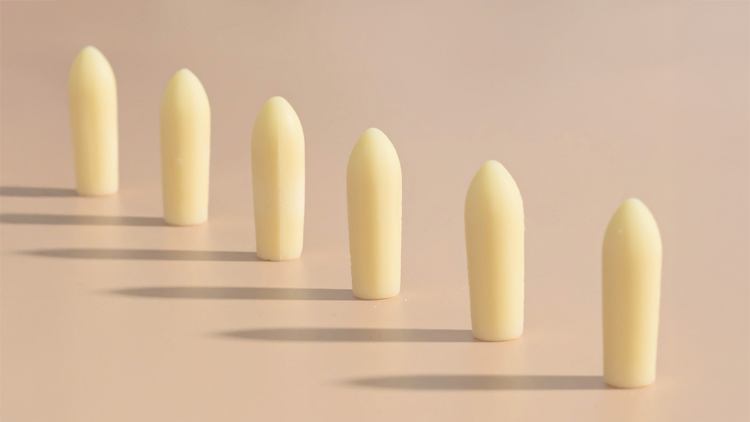
Hormone therapy works well for many women—but it’s not the right fit for everyone. If you’re not a candidate or simply prefer to explore other options first, ask your doctor what non-hormonal approaches exist for your specific symptoms. From lifestyle changes to plant-based supplements to options you might not have even considered—like vaginal suppositories—there’s more available than most women realize. You shouldn’t have to choose between hormones and just pushing through.
9. How can I protect my heart?
Heart disease is the leading cause of death in women, and estrogen’s decline during perimenopause directly affects cardiovascular health—raising blood pressure, shifting cholesterol levels, and increasing overall risk. Ask your doctor for a cardiovascular risk assessment, discuss your cholesterol and blood pressure goals, and talk about the lifestyle changes that make the biggest difference. Your 40s are the right time to get proactive.
10. What lifestyle changes should I be making right now?
Diet, movement, sleep, stress—all of it compounds in your 40s in ways that feel more significant than they did a decade ago. Ask your doctor for a personalized plan based on your health history, your risk factors, and where you are in your hormonal transition. Small, consistent changes made now build the foundation for how you feel in your 50s, 60s, and beyond.

What to Do When Your Doctor Doesn’t Have Answers
If you’ve ever left an appointment feeling dismissed, you’re not alone. Women’s health concerns—especially hormonal ones—have a long history of being minimized, misattributed to stress, or met with a pat on the back and a “that’s just part of aging.” It’s frustrating. And it’s not okay.
If your doctor isn’t taking your symptoms seriously, advocate for yourself. Ask follow-up questions. Request referrals. Seek a second opinion. Find a provider who specializes in women’s hormonal health or midlife wellness. You know your body—and a good doctor will want to hear what it’s telling you.
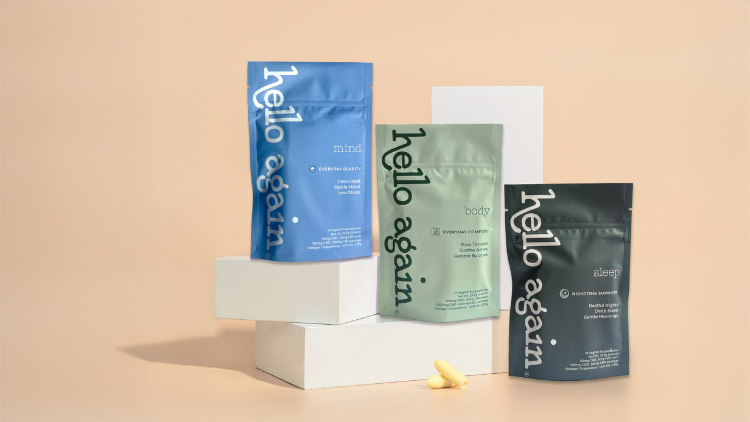
In the meantime, you have more options than your doctor’s office might suggest. These women’s health questions are just the starting point. Lifestyle changes, targeted nutrition, and quality sleep all make a meaningful difference. And products like Hello Again exist to fill the gaps—hormone-free, plant-powered suppositories designed to support clarity, comfort, and sleep while you navigate what’s next. Not a replacement for medical care. A complement to it.
You Deserve Better Than “That’s Just Part of Getting Older.”
Aging isn’t something to dread—even if the world around you has spent a lot of time suggesting otherwise. Your 40s can be one of the most powerful decades of your life. But that only happens when you have the information, the support, and the care you actually deserve.
Walk into your next appointment armed with better questions. Push back when something feels off. Explore every option available to you. And know that the way you feel right now isn’t the ceiling—it’s just the starting point.
You’ve got a lot of good ahead of you. Hello Again is here for the journey.
Key Takeaways
- Hormonal Changes Can Start Earlier Than You Think: Your 40s are when hormonal shifts often become apparent. Perimenopause can start earlier than most women expect, and its symptoms are easy to dismiss but worth taking seriously.
- The Right Questions Lead to Better Answers: A rushed appointment doesn’t have to mean incomplete answers. Walking into your appointment prepared with the right questions can completely change the conversation.
- Feeling Your Best Takes More Than a Doctor’s Visit: Medical care is just one piece of the puzzle. Lifestyle, nutrition, sleep, and plant-based wellness products all play a role in supporting your well-being throughout this transition.