
The wellness industry has a short memory. Many natural wellness practices marketed as groundbreaking discoveries today were used by ancient cultures for thousands of years. The practices generating the most buzz right now aren’t innovations—they’re rediscoveries. And modern science is finally catching up with what those cultures already knew.
From ancient Egypt to Ayurvedic medicine to centuries-old Scandinavian tradition, the practices that have endured the longest have done so for a reason. Moreover, modern research keeps arriving at the same conclusion: they work. Not because wellness influencers say so—because the biology backs it up.
Here are six natural wellness practices that have stood the test of time—and why science is finally giving them the credit they deserve.
1. Forest Bathing
Long before it had a name, people knew that time in nature was restorative. Forest bathing—known in Japan as Shinrin-yoku—has roots in both Japanese and ancient Chinese traditions, where immersion in natural environments was considered essential to physical and mental health. Moreover, this wasn’t passive enjoyment of scenery. It was a deliberate, intentional practice.
What Happens to Your Body in Nature
Modern research has since validated what ancient cultures understood intuitively. Studies show that forest bathing can measurably reduce cortisol levels, lower blood pressure, improve mood, and enhance immune function. Furthermore, even short periods of time in a natural environment activate the parasympathetic nervous system—the body’s rest-and-digest mode—counteracting the chronic stress response so many women carry through their days.
Why It Belongs in a Modern Wellness Routine
Let’s call modern forest bathing what it actually is: getting outside. Screen fatigue, urban living, and chronically dysregulated nervous systems have created a generation of women who are overstimulated and under-restored. Moreover, the healing properties of natural environments aren’t metaphorical—they’re measurable. Spending time among trees lowers cortisol, reduces blood pressure, and restores the quiet modern life consistently strips away. Nature has always been healing. We’re just finally paying attention again.
2. Breathwork
People have used breathwork as a wellness tool for thousands of years. In ancient India, pranayama—the practice of controlled breathing—formed a cornerstone of yogic tradition. Similarly, ancient Greek physicians recognized the relationship between breath and mental state, using breathing techniques to calm the mind and restore balance. Furthermore, virtually every major ancient healing tradition across cultures arrived at the same conclusion: how you breathe matters.
The Biology Behind the Breath
Modern research has since explained why. Breathwork for stress reduction works by directly activating the parasympathetic nervous system—the body’s built-in calming mechanism. Additionally, studies show that controlled breathing reduces cortisol, lowers heart rate, and improves sleep quality. Moreover, unlike many wellness interventions, the effects are immediate. A few minutes of deliberate breathwork can shift the nervous system out of fight-or-flight and into a state of genuine rest.
One Of The Most Accessible Natural Wellness Practices There Is
Women are more stressed than ever—and breathwork meets that reality head-on. No equipment, no cost, no appointment required. Moreover, the effects are immediate. A few minutes of deliberate breathing can shift the nervous system out of fight-or-flight and into genuine rest.

3. Vaginal Suppositories
Ancient Egyptian, Greek, and Roman physicians used suppositories as a primary medicinal delivery method thousands of years ago, administering herbal compounds, pain relief, and therapeutic preparations directly and efficiently. Moreover, this wasn’t a niche practice. It was mainstream medicine. The reasoning behind it was sound—and modern science has since confirmed why.
The Science Behind Vaginal Suppositories
Vaginal tissue is highly vascular, meaning it’s rich in blood vessels that absorb compounds quickly and directly into the bloodstream. Additionally, because suppositories bypass the digestive system entirely, none of the active compounds are lost to first-pass liver metabolism. The result is faster, more targeted relief than anything taken orally—a delivery advantage that ancient physicians understood intuitively and that pharmacology has since validated.
Why Women Are Choosing This Over Conventional Options
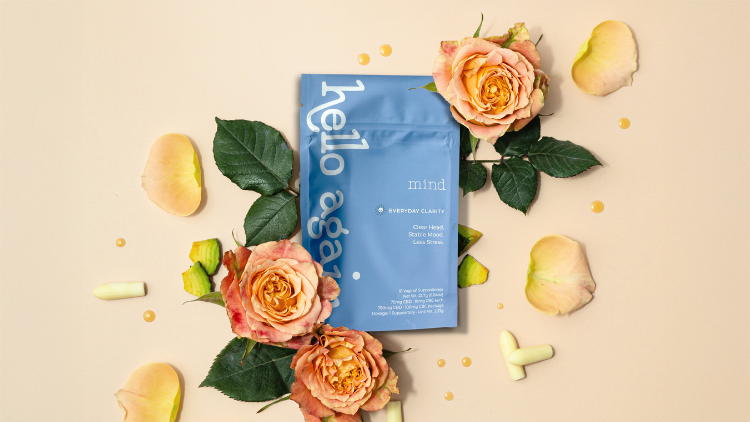
Women are increasingly looking beyond conventional wellness options—and suppositories make a compelling case for themselves. Hello Again brings this ancient delivery method into the modern wellness conversation with CBD suppositories formulated specifically for women. Plant-powered, third-party tested, and backed by the same absorption science that made suppositories a medical staple thousands of years ago. The answer, it turns out, was hiding in history all along.
4. Cold Exposure
Cold exposure isn’t a biohacking invention. Ancient Romans made cold baths a cornerstone of their wellness culture, cycling between hot and cold water as a deliberate health practice. Similarly, Scandinavian ice-swimming traditions date back centuries—rooted in the understanding that cold was restorative, not just uncomfortable. Furthermore, these weren’t fringe practices. They were cultural staples, embedded in daily life across vastly different civilizations.
Why Cold Makes You More Resilient
Modern research has since unpacked the biology. Benefits of cold exposure include reduced inflammation, improved circulation, and a significant dopamine release that supports mood and mental resilience. Additionally, deliberate cold exposure activates brown adipose tissue—the body’s heat-generating fat—which supports metabolic function. Moreover, studies show that regular cold exposure improves stress tolerance over time, training the nervous system to respond rather than react.
From Ice Baths to Cold Showers: Cold Exposure Goes Mainstream
The Wim Hof effect brought cold exposure into mainstream wellness conversation—however, the practice has far deeper roots than one Dutch athlete. Today, cold showers offer an accessible entry point for anyone curious about the benefits of cold exposure without committing to an ice bath. As a natural wellness practice, this one asks a lot—but delivers accordingly.
5. Adaptogens
The term “adaptogen” is relatively new. The plants behind it are anything but. Ayurvedic medicine has used ashwagandha for over 3,000 years. Traditional Chinese Medicine built entire healing frameworks around schisandra and rhodiola. Moreover, both traditions shared an underlying principle: certain plants help the body adapt to stress, restore balance, and build resilience over time. Furthermore, that principle has held up remarkably well under modern scrutiny.
Why These Plants Work
Research into adaptogens for women has grown significantly in recent years. Studies show that ashwagandha reduces cortisol levels, supports thyroid function, and improves stress resilience. Additionally, schisandra has demonstrated liver-protective and hormone-balancing properties, while rhodiola supports mental clarity and reduces fatigue. Moreover, adaptogens don’t force a single outcome—instead, they help the body find its own equilibrium, which is precisely what makes them so relevant for women navigating hormonal shifts.
Women Are Returning to Adaptogens
Chronic stress, hormonal disruption, and a growing demand for hormone-free support have made adaptogens one of the most compelling natural wellness practices of the moment. However, what’s particularly notable is that women aren’t discovering adaptogens—they’re returning to them. Ancient wisdom, finally getting its due.
6. Clean Makeup
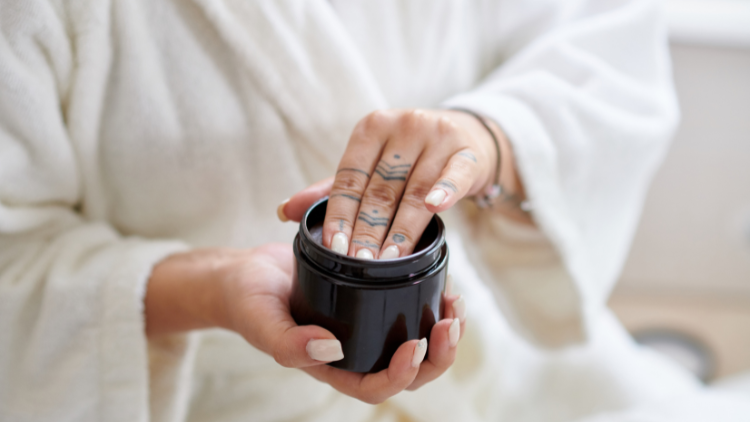
Long before “clean beauty” became a marketing category, ancient cultures formulated with plants, minerals, and botanical oils that modern cosmetic science still tries to replicate. Moreover, they weren’t doing it for aesthetics alone. Many of these ingredients served therapeutic purposes—protecting skin, supporting healing, and working with the body rather than against it.
The History
Ancient Egyptian women used kohl—made from galena and other minerals—to line their eyes, not just for beauty but for antimicrobial protection against eye infections. Cleopatra also famously bathed in soured donkey milk, rich in lactic acid, for skin-softening benefits that modern skincare brands now bottle and sell at a considerable markup. In ancient Persia, rose water was a staple for hydration and healing. Ayurvedic tradition also built entire skincare rituals around turmeric, neem, and sandalwood—ingredients that now command premium prices in clean beauty aisles worldwide.
The Science Behind It
Modern research has validated what ancient cultures understood intuitively. Turmeric’s active compound, curcumin, has well-documented anti-inflammatory properties. Additionally, lactic acid is now a cornerstone of evidence-based skincare for its exfoliating and brightening effects. Rose water, meanwhile, has demonstrated antioxidant and anti-inflammatory properties in clinical studies.
Why It Resonates Now
Consumer skepticism about synthetic ingredients has fueled a clean beauty boom—however, the irony is that the most effective natural ingredients were never lost. They were just repackaged. In natural wellness, this one never really went away. It just got a new label and a higher price tag.
Old Isn’t Outdated
The most effective wellness practices aren’t always the newest ones. The practices that have endured for thousands of years have done so for a simple reason: they work. Moreover, modern science isn’t disproving ancient wisdom—it’s validating it, one study at a time.
There’s something quietly powerful about realizing that the practices you’re reaching for today are the same ones women have reached for across centuries. Forest bathing. Breathwork. Cold exposure. Adaptogens. Clean botanicals. Suppositories. None of these began with a wellness brand—they began with women, long before the industry existed to name them.
Hello Again was built on exactly that belief. Ancient delivery methods, plant-based ingredients, and time-tested wisdom—brought into a modern woman’s routine because they were always worth keeping.
Key Takeaways
- The Wellness Industry Didn’t Invent These Practices: Forest bathing, breathwork, cold exposure, adaptogens, clean beauty, and suppositories all predate modern wellness by thousands of years—and they’ve endured because they work.
- Modern Science Validates Ancient Wisdom: The biology behind these natural wellness practices was always sound. Research is now explaining what women already knew intuitively.
- Hello Again Belongs in This Tradition: Built around an ancient delivery method and plant-based ingredients, the most effective solutions aren’t always the most recent ones.