
Period pain can ruin your day. Cramps hit hard, focus disappears, and your mood can feel all over the place. Most women end up relying on the same routine—pain relievers, heat, and hoping it works this time.
But what if there was a different option? CBD suppositories for menstrual pain offer a more targeted approach than traditional formats. It’s a shift in how relief is delivered—and it naturally raises the question: do they actually work?
Recent studies are beginning to explore how CBD works in the body during the menstrual cycle—and how delivery methods, like vaginal suppositories, may change the experience entirely. Early findings suggest something more comprehensive than quick relief, with effects that reach beyond pain alone.
Let’s take a closer look at what researchers studied, what the results show, and how it all applies to managing menstrual pain.
What Are CBD Suppositories (and Why Are They Used for Period Pain?)
Curiosity makes sense. A vaginal delivery method isn’t what most people reach for first. At the same time, suppositories for women aren’t new—they’ve been used in medical settings for centuries. Today, women are using them differently—especially as more look for non-hormonal period pain relief that works with the body instead of overriding it.
CBD suppositories are small, dissolvable forms that you insert vaginally.
Once absorbed, cannabinoids enter the bloodstream through the vaginal tissue—an area known for efficient cannabinoid absorption. That pathway allows the body to process CBD differently than it would through oils, edibles, or capsules.
A more direct route means cannabinoids can reach the pelvic region without being broken down in the digestive system first. That difference plays a big role in how CBD suppositories work, especially when targeting discomfort tied to the uterus and surrounding muscles.
More women are turning to this format because it focuses on where the discomfort starts. Instead of circulating broadly throughout the body, CBD can act closer to the source, supporting relief that feels more targeted and intentional.
Is Period Pain the Same as Endometriosis?
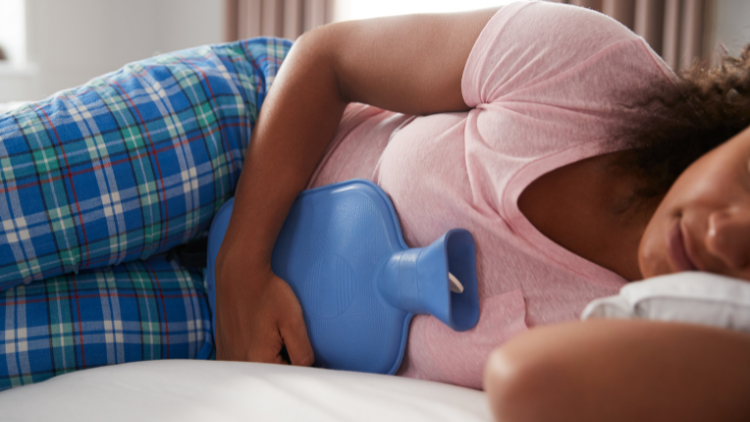
Period pain and endometriosis can feel similar, but they aren’t the same.
Typical period pain—often called primary dysmenorrhea—comes from the uterus contracting during your cycle. Those cramps can be uncomfortable, even intense at times, but they usually follow a predictable pattern and ease up after a day or two.
Endometriosis is different. It’s a condition where tissue similar to the lining of the uterus grows outside of it, which can lead to more persistent and often more severe pain. That pain doesn’t always stay tied to your period. It can show up before, during, and after your cycle, and may come with symptoms like heavy bleeding, pain during sex, or ongoing pelvic discomfort.
Intensity is often the biggest clue. Pain that disrupts your daily life, doesn’t respond to typical relief methods, or continues outside of your cycle may point to something more than standard period cramps.
Understanding the difference matters. Period pain is common, but you shouldn’t have to push through it. If symptoms feel extreme, unpredictable, or constant, talk to a healthcare provider.
What the Research Shows About CBD Suppositories for Menstrual Pain
How CBD Suppositories Perform in Real-World Use
One of the most relevant studies followed women through their actual menstrual cycles to see how CBD suppositories for menstrual pain performed outside of a lab setting.
Participants tracked symptoms across two cycles. During the first cycle, they didn’t use suppositories. During the second cycle, they added them to their routine and reported on the same symptoms.
Results showed meaningful improvements across multiple areas:
- Reduced the severity and frequency of cramps
- Better mood and improved focus
- Fewer headaches and less nausea
- Improved ability to function day to day
- Decreased reliance on over-the-counter pain medication
72.9% of participants reported at least moderate improvement after the first cycle. That number increased to 81.1% with continued use. Researchers also observed a dose-dependent response, meaning more consistent use led to greater relief.
What Happens When Whole-Plant CBD Is Used Consistently
Interest in whole plant CBD suppositories continues to grow, especially as more research looks at how they perform in real-world use for menstrual pain.
In this study, participants tracked their symptoms across two consecutive cycles. The first reflected their typical experience without using suppositories. The second included a CBD suppository formulated with additional plant compounds, such as beta-caryophyllene and humulene.
The shift between cycles was noticeable.
Overall symptom scores dropped by roughly a third, while average pain levels were cut by more than half. Participants also reported improvements in areas that are often overlooked—such as focus, mood, headaches, and nausea.
Pain management habits changed, too. Many relied far less on over-the-counter medications during the cycle when suppositories were part of their routine.
Beyond the numbers, participants reported feeling better overall. Daily life felt more manageable, and the treatment was well-tolerated with minimal side effects.
The conclusion: whole plant CBD suppositories may offer a safe, effective option for managing menstrual pain and the symptoms that come with it.
How CBD May Reduce Cramping at the Source
This study gives a better sense of what’s actually going on in the body. CBD and CBDA may help calm the uterine contractions that drive menstrual cramps in the first place. Those contractions are what create that tight, heavy, can’t-ignore-it kind of pain. When they start to ease, the intensity of the discomfort often follows.
That’s what makes this approach feel different. Instead of just covering up symptoms, cannabinoids may support the body closer to where the pain begins. Relief can feel more targeted, not just temporary.
Participants also handled the treatment well. The most common side effect was mild leakage, and participants reported no serious issues. Most participants said they would use the product again in future cycles, which says a lot about how well it fits into their routine.
Why These Results Matter
These findings mark an important shift for CBD suppositories for menstrual pain. Research now reflects how these products perform in real life, not just in controlled settings or early-stage theory. That kind of data carries more weight because it mirrors how women actually use them.
Results also go beyond pain alone. Women reported improvements in mood, focus, and overall functioning—capturing the full experience of menstrual symptoms rather than isolating a single outcome. Many also relied less on pain medication and felt more capable moving through their routines, with fewer interruptions and more consistency throughout the day.
Together, these outcomes shift the conversations around period pain relief. CBD suppositories move from an interesting concept to a clinically promising option—one that shows measurable results across how women actually feel and function.
Beyond CBD: The Role of Other Cannabinoids
CBD (cannabidiol) leads the conversation, but it’s only part of the picture. Cannabis contains a range of cannabinoids that interact with the body in different ways, and that combination can shape how relief actually feels.
CBG (cannabigerol) supports the inflammation response and physical tension. When cramps feel deep, tight, and hard to shake, CBG may help support a more relaxed, less reactive state in the body.
CBN (cannabinol) leans more toward rest and recovery. Many associate it with relaxation and sleep support, which can make a difference when discomfort carries into the night or disrupts your ability to fully unwind.
CBC (cannabichromene) adds another layer. Early research suggests CBC may play a role in how the body processes pain and supports mood by interacting with receptors involved in inflammation and discomfort. It gets less attention than CBD, but it still contributes to a more balanced response in the body.
That mix creates a more complete effect. Some cannabinoids support the physical side of pain, while others help regulate how you feel and recover from it. Together, they can contribute to a more well-rounded experience—not just during peak symptoms, but throughout your cycle.
What Else Does CBD Help With?
CBD has been studied well beyond physical discomfort, with research pointing to its broader impact on how the body handles stress, inflammation, and recovery.
One of the most consistent areas is mood, including depression. Studies have shown that people using CBD over time experienced a noticeable decrease in anxiety symptoms, along with a sense of greater emotional stability. That kind of shift can influence everything from focus to how you move through your day.
When stress and discomfort are lower, rest tends to improve—and research reflects that. In one study, about two-thirds of participants reported better sleep quality after using CBD, suggesting it may help support more consistent, restorative rest.
Inflammation and physical tension are also part of the picture. CBD is widely studied for how it interacts with the body’s inflammatory response, which can affect how pain and tightness show up and linger. As that response becomes more balanced, the overall level of discomfort often follows.
Daily function is where it all comes together. Some research shows that people using cannabis for chronic pain reduced their reliance on stronger medications, like opioids, while also improving physical function and quality of life.
Research continues to point in the same direction: CBD doesn’t just target one issue—it supports multiple systems at once, which is why the effects tend to feel more noticeable over time.
Say Hello to a Better Option
CBD suppositories are opening the door to something many women haven’t had before—options. Not another temporary fix or one-size-fits-all approach, but a way to support your body more intentionally.
Hello Again honors that idea. Each formula starts with CBD (cannabidiol) and is paired with other cannabinoids like CBG (cannabigerol) and CBN (cannabinol) to support different needs.
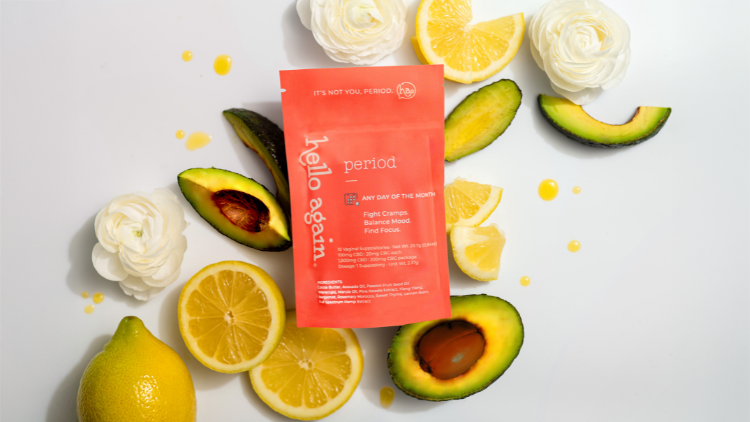
For period pain, Body (formerly Period) is the one to focus on. It combines CBD and CBG to support physical comfort, ease tension, and help your body feel steadier during your cycle. It targets cramps, heaviness, and persistent tension.
More choice means more control. Instead of working around your symptoms, you can start to work with your body—finding what actually fits and building a routine that supports how you want to feel.
Research Is Finally Supporting What Women Are Experiencing
Research is finally starting to reflect what many women have already experienced. CBD suppositories for menstrual pain show real potential, with results pointing to meaningful improvements in cramps, mood, and daily function.
Instead of relying on short-term fixes, cannabinoids may work more in tune with your body—supporting multiple symptoms at once and helping you feel steadier throughout your cycle. Targeted delivery and thoughtful formulation continue to stand out. When support reaches the body more directly, the impact can feel more consistent and more complete.
If you’ve been looking for something that works with your body instead of against it, CBD suppositories are worth exploring.
Key Takeaways
- Research Is Finally Catching Up: Studies now support CBD suppositories for menstrual pain, showing real improvements in cramps, mood, and daily functioning—not just isolated symptom relief.
- How It’s Delivered Matters: Targeted vaginal absorption allows cannabinoids to work closer to the source, which may lead to more direct and consistent relief compared to traditional methods.
- Relief Goes Beyond Cramps: CBD and other cannabinoids support multiple systems in the body, helping with inflammation, mood, sleep, and overall comfort—not just pain alone.