
January has a reputation for pushing us into overdrive—new goals, new habits, new pressures—but the truth is far less glamorous: your body is craving rest. And when it comes to sleep and wellness, rest isn’t optional; it’s biological nourishment. Sleep is one of the most powerful regulators of your hormones, which is why everything feels a little less stable when you’re running on fumes. From mood to metabolism to stress response, so much of your overall health depends on what happens when you finally close your eyes.
Winter amplifies this need. It’s a naturally low-energy season, a time when our circadian rhythm slows down, and our bodies nudge us toward shorter days, longer nights, and deeper recovery. (Nature literally goes quiet, yet somehow we think we’re the exception.) For women especially, sleep and hormones are tightly linked—temperature regulation, appetite cues, emotional steadiness, and general day-to-day wellness all rely on sleep-driven hormonal regulation. Those deep sleep benefits you always hear about? They’re real, and they matter even more in midlife.
So instead of “New Year, New You,” we’re leaning into something more honest: honoring how your body actually works. Before you build anything this year—goals, routines, plans—start with the foundation that makes everything else possible: consistent, restorative sleep. Because when your hormones are supported, you are supported. And this January, we’re choosing the kind of reset that requires no willpower at all—just a good night’s sleep.
Take a Cue From Nature: Winter Is for Rest
If winter makes you want to curl up and ignore the world, you’re not imagining it. Nature powers down this time of year—plants go dormant, animals hibernate, and even daylight taps out early. Biologically, winter is the season of slowing, not sprinting.
Humans respond to these shifts, too. Research on circadian rhythm shows we produce more melatonin in winter, making our bodies naturally inclined to sleep earlier and crave deeper rest. Shorter days also increase restorative sleep pressure, which explains why you’re seeking warmth, stillness, and quiet—not a “New Year, New You” overhaul.
Hibernation is nature’s way of protecting energy and restoring balance. Animals use winter to repair themselves from the inside out—and our bodies respond to rest the same way. Leaning into deeper sleep and wellness supports hormonal balance, steadier mood, and a calmer nervous system through the darker months.
So instead of fighting your biology in January, follow it. Let winter be the permission slip: more rest, softer evenings, fewer demands, and routines that honor what your body is already trying to do.

How Sleep Works
Most of us think of sleep as the thing we do at night so we can survive the next day. But when you look at the actual science, it becomes clear why experts call sleep the cornerstone of wellness. Sleep is the master regulator that keeps your hormones, mood, stress response, energy, metabolism, and immune system functioning the way they’re supposed to. When sleep is poor, everything else follows, which is why understanding sleep and wellness is the foundation of feeling human.
Your Sleep Cycles: The Internal Repair Crew
Each night, your body moves through two core stages: NREM (deep sleep) and REM (dream sleep), both of which are essential for whole-body health.
NREM, or deep sleep, is when your body undertakes its most crucial repair work. Tissues recover, inflammation quiets, and growth hormone peaks. Far from being optional, these deep sleep benefits are essential for physical restoration and stable hormonal balance. During this stage, the brain also clears metabolic waste, a nightly reset that keeps thinking sharp and supports long-term clarity.
REM sleep, on the other hand, is where emotional balance happens. During REM, your brain processes memories, stabilizes mood, and builds resilience to stress. Without enough REM sleep, everything feels harder, you’re quicker to react, slower to regulate emotions, and more sensitive to everyday stressors. If you’ve ever felt one stormy night turn you into a different person, that’s REM deprivation at work.
Why Poor Sleep Affects Everything
When your sleep cycles fall out of rhythm, the fallout spreads fast. Mood becomes harder to regulate. Cravings increase. Stress tolerance plummets. Inflammation rises. And without enough deep and REM sleep, the brain struggles to keep up with emotional processing and cognitive load. As a result, poor sleep often shows up as irritability, anxiety spikes, brain fog, or feeling “wired and tired” at the same time.
And the truth is simple: you can meditate, work out, take supplements, hydrate, track your steps, eat clean, but if you aren’t getting a good night’s sleep, none of it matters. Healthy sleep is what makes everything else work better. It’s not self-care; it’s biology.
The Bottom Line
The takeaway isn’t that you need to obsess over sleep; it’s simply understanding how deeply your body relies on it. The rest helps regulate everything—including overall wellness. When sleep is consistent, everything else functions more smoothly. If you’re aiming to feel more balanced and grounded this year, it starts here: with the nightly repair work your body has been trying to do all along.
The Connection Between Sleep and Hormonal Health
If there’s one place where sleep and wellness become non-negotiable, it’s hormones. Sleep is the nightly reset your endocrine system depends on. When rest is steady, hormones stay regulated. When sleep slips, everything from mood to metabolism to energy gets thrown off.
Sleep, Estrogen, & Progesterone
Estrogen and progesterone influence mood, temperature, and how easily you fall asleep. Deep, consistent rest helps keep these hormones in a smoother rhythm. When sleep is disrupted—especially in perimenopause or menopause—these fluctuations intensify, creating night sweats, irritability, and lighter, more fragmented sleep.
Thyroid, Insulin, & Appetite Hormones
Thyroid hormones rely on quality sleep for steady energy and metabolism. Meanwhile, ghrelin and leptin, your hunger and fullness signals, reset overnight. When sleep is short, hunger spikes, cravings increase, and insulin sensitivity drops. It’s not a lack of willpower; it’s physiology responding to low rest.
Why Women Feel It More
Because women experience more hormonal transitions (menstrual cycles, pregnancy, perimenopause, menopause), sleep loss hits harder. Research even shows that women generally need more sleep than men to achieve the same level of cognitive recovery. Our systems simply feel the effects faster.
When Sleep Slips, Hormones Follow
One rough stretch of sleep can throw multiple hormones off at once: melatonin, cortisol, appetite hormones, thyroid regulation, and reproductive hormones. If you’ve ever felt like your whole body was “off” after a period of inadequate sleep, that’s not in your head—that’s a hormonal imbalance responding to disrupted rest.

Sleep and Inflammation: The Cycle That Keeps You Wired and Tired
Poor sleep doesn’t just make you groggy; it raises inflammatory markers throughout the body, making it harder to fall asleep the next night, harder to stay asleep, and nearly impossible to reach the deeper stages where real recovery happens. It’s a cycle most women know all too well.
Poor Sleep Fuels Inflammation
Research shows that even a single night of shortened or fragmented sleep increases pro-inflammatory cytokines, the signals that tell your body something is wrong. Over time, this low-grade inflammation affects mood, joint comfort, digestion, cognitive clarity, and overall resilience. It’s one reason everything feels slightly “off” after a few rough nights: your body is literally running hot.
Inflammation Makes Sleep Harder
And here’s where the loop tightens. Inflammation disrupts the brain regions that regulate sleep cycles and temperature control. That translates to tossing and turning, middle-of-the-night wakeups, and the sense that your body can’t fully settle even when you’re exhausted. As inflammation increases, deep sleep decreases, and your system loses the very tool it needs to cool things down.
The “Wired & Tired” Effect
One of the most apparent signs of the sleep-inflammation loop is the feeling of wanting rest while the brain refuses to slow down. Cortisol climbs, melatonin sinks, and the nervous system never truly powers down. You wake feeling like you skimmed the surface of sleep rather than sinking into it, which illustrates just how closely sleep and wellness depend on each other.
A Calmer System Starts With Calmer Sleep
As sleep becomes steadier, inflammation naturally begins to ease. The body is finally able to repair, regulate, and settle into the deeper stages of rest it’s been missing out on. Over time, this shift creates the conditions for clearer thinking, smoother energy, and stronger resilience. Regulated sleep is the quiet foundation that makes everything else feel more manageable.
How Modern Life Disrupts Hormonal Sleep
When inflammation and hormones are already juggling for attention, modern life adds an entirely new layer of chaos. Even if your sleep biology is trying its best to stabilize, our daily habits and environments often work against it in ways most of us don’t notice until we’re wide awake at 2 a.m. The result? A body that wants rest and a world that keeps pushing in the opposite direction.
Stress Keeps Your Nervous System on High Alert
Chronic stress is one of the biggest disruptors of sleep and hormonal balance. When your brain spends the day processing emails, caretaking, dealing with decision fatigue, and managing the mental load of. . . everything, cortisol stays elevated long past sunset. High cortisol at night makes it harder to fall asleep, stay asleep, or reach deep sleep, even when you’re exhausted. If you’re wondering how to improve sleep naturally, reducing evening stress is often the first step.
Screens Throw Off Your Circadian Rhythm
Blue light shuts down melatonin production, and since the average adult now spends 4–5 hours a day on their phone, most of us are basically telling our brain “stay awake!” long after we should be winding down. Pair that with the mental buzz of scrolling, and you’ve got a recipe for sleep that never entirely drops into the deep, restorative stages your body needs.
The Pressure to “Start Strong” in January Doesn’t Help
The cultural obsession with “new year, new you” is basically an invitation to burn out. More goals, more tasks, more pressure to be productive, all landing at the exact moment your biology is asking for the opposite. This pressure adds emotional and mental strain, which makes sleep lighter, more fragmented, and less restorative.
Building Rest Rituals to Support Hormonal Balance
After months (or years) of running on adrenaline, overstimulation, and expectations, your body doesn’t need stricter routines; it needs rituals that help it remember how to rest. When it comes to bedtime routines for hormone health, gentle consistency will always outperform “New Year, New You” intensity. Sleep and wellness rituals give your system predictable cues, and your hormones respond beautifully to predictability.
Your Circadian Rhythm Loves Repetition
A consistent evening rhythm signals your body that it’s time to shift out of alert mode. Warm, dim lighting helps melatonin rise. Cooler room temperatures help reduce night sweats and support deeper sleep. Quiet activities like stretching, light reading, and grounding breaths cue the nervous system to finally exhale.
Honor and Your Winter Biology
Winter naturally asks the body to slow down, soften, and conserve energy. When you align your nighttime ritual with that seasonality—lower lights, earlier evenings, nourishing calm instead of pressure—your hormones take the cue. One of the simplest ways to support sleep and wellness is by making these shifts without forcing drastic changes.
Where Hello Again Fits In
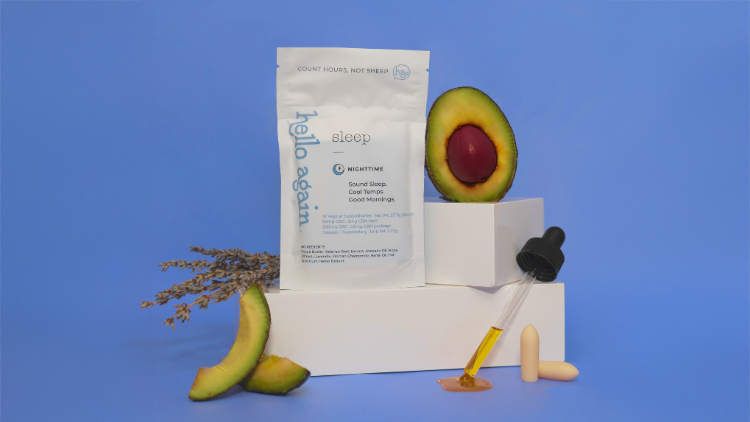
A rest ritual doesn’t work because of one magic step; it works because each element supports your body differently. Hello Again Sleep fits seamlessly into this rhythm. Insert your suppository after a warm bath, after your skincare, or after your wind-down routine. It supports pelvic relaxation, eases stress-driven tension, and helps your system settle into deeper, more restorative sleep.
Rituals Reset Your System
When your evenings follow a familiar rhythm, your body stops bracing for the next demand and starts preparing for rest. Hormones begin to regulate, inflammation settles, and the transition into sleep becomes less of a fight and more of a natural shift. It’s one of the simplest ways to support sleep and wellness: a nightly ritual that tells your body, “We’re safe. We’re slowing down. It’s time to rest.”
Find Us Resting
As the calendar turns and the world sprints toward resolutions, January offers a quieter, wiser invitation: rest. Sleep and wellness are the biological fuel your system depends on. Winter is designed for slowing down, recalibrating, and restoring balance, and your hormones are no exception. Before you take on new goals or routines, your body needs the one thing that steadies everything else: consistent, deeply restorative sleep.
Steady sleep steadies everything. Hormones smooth out, inflammation cools off, mood becomes less chaotic, and your energy stabilizes. A simple nightly ritual helps your body switch into rest mode, and Hello Again Sleep can support that shift without hormones or next-day fog. Forget “New Year, New You.” Rest first. Rebuild second. Let your body find balance the way it was meant to.
Key Takeaways
- Sleep Is Foundational to Hormonal Balance: Better rest supports steadier cortisol, appetite hormones, mood, and energy.
- Modern Life Works Against Deep Rest: Stress, screens, overwork, and “new year, new you” pressure disrupt natural sleep cycles.
- Rituals Restore What Resolutions Can’t: Gentle, consistent nighttime habits—supported by Hello Again Sleep—help your system unwind in a way that lasts.