
Every March, Women’s History Month gives us a moment to look back and to look forward.
Throughout this month, we’re featuring inspirational women in our newsletter (you should sign up—we do cool things like this all the time). These women challenged expectations, reshaped industries, led movements, and expanded what was possible in their time. Some names are widely recognized. Others deserve to be.
It’s easy to think of history as something fixed in textbooks. But women’s history is living and evolving. Women create change by questioning norms, stepping forward despite resistance, and starting conversations others tried to avoid.
Each one shifted culture in her own way in politics, science, business, sports, or art. They made space. They moved the line.
Women’s History Month is about celebration. It’s about remembering how progress happens and recognizing that the rest is still unwritten (cue The Hills theme song).
Why We Have Women’s History Month
Women’s History Month didn’t start as a month. In 1978, educators in Santa Rosa, California, launched a local “Women’s History Week” to spotlight contributions traditional history lessons had ignored.
The idea gained national momentum, and in 1980, President Jimmy Carter proclaimed the week of March 8th as National Women’s History Week. By 1987, after continued advocacy from historians and women’s organizations, Congress officially expanded the recognition to Women’s History Month, designating March as a time to honor the achievements of women throughout American history.
What began as a grassroots effort to fill in the gaps has grown into an annual reminder: women have always shaped history, even when history didn’t always record it.
Women Who Changed the Rules
For Women’s History Month, we chose to highlight women whose influence extended far beyond inspiration.
These women didn’t just witness history; they redirected it. They advanced medicine, expanded access, and confronted cultural norms that had stood unchallenged for decades. Some earned recognition in their lifetime. Others faced criticism or resistance.
Some became household names. Others worked without broad acknowledgment. Regardless, their decisions reshaped systems that continue to influence how we live today.
Below, we’re taking a closer look at the women we featured and the lasting structural change they helped create.
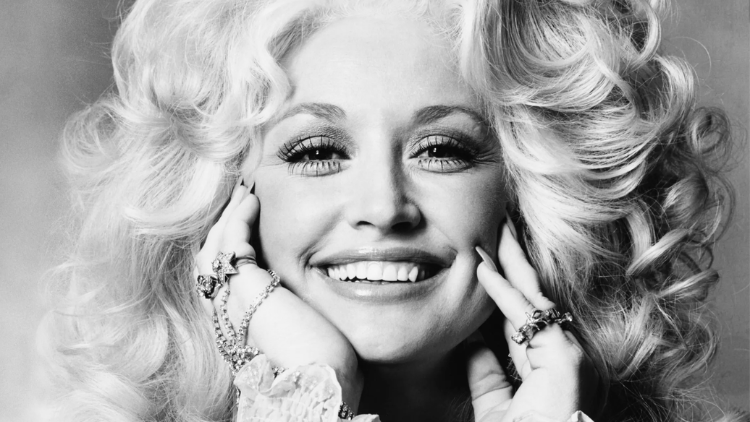
Dolly Parton: Building an Empire and a Literacy Movement
Dolly Parton’s career spans more than six decades, with over 100 million records sold worldwide and 11 Grammy Awards. But her influence extends far beyond music.
In 1995, she founded the Imagination Library, a program that mails free books to children from birth to age five. Today, it has distributed over 200 million books globally. What began as a local effort in Tennessee grew into one of the most successful literacy initiatives in the world.
In 2020, Parton also donated $1 million to Vanderbilt University Medical Center to fund COVID-19 vaccine research, which helped support the development of the Moderna vaccine. She leveraged her platform not just for visibility, but for tangible public impact.

Hedy Lamarr: The Actress Who Helped Create Modern Wireless Technology
Hedy Lamarr was one of Hollywood’s most famous actresses in the 1940s. But during World War II, she was also working on something very different.
In 1941, Lamarr and composer George Antheil developed a frequency-hopping communication system intended to prevent enemy forces from intercepting torpedo signals. Although the U.S. Navy did not implement it at the time, the technology later became foundational to spread-spectrum communications—the backbone of Wi-Fi, Bluetooth, and GPS.
For decades, institutions failed to recognize her scientific contributions. She received formal recognition for her invention only late in life. Today, she stands as proof that innovation has often lived in women whose brilliance history has initially minimized.
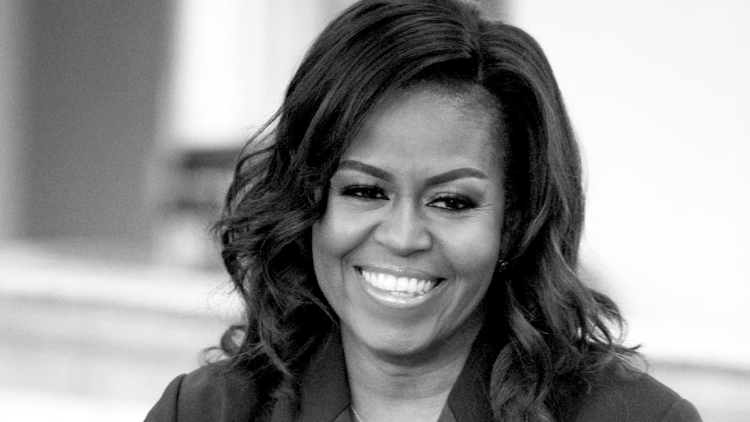
Michelle Obama: Redefining Public Leadership
As First Lady from 2009 to 2017, Michelle Obama used her platform to address public health, education, and girls’ empowerment on a global scale.
She launched Let’s Move!, a nationwide initiative to reduce childhood obesity through nutrition and physical activity reforms. Through Reach Higher, she encouraged students to pursue higher education and vocational training. With Let Girls Learn, she advocated internationally for girls’ access to schooling.
Beyond policy, she redefined what leadership visibility could look like, combining intellect, accessibility, and cultural influence to expand public expectations for political partnership and advocacy.
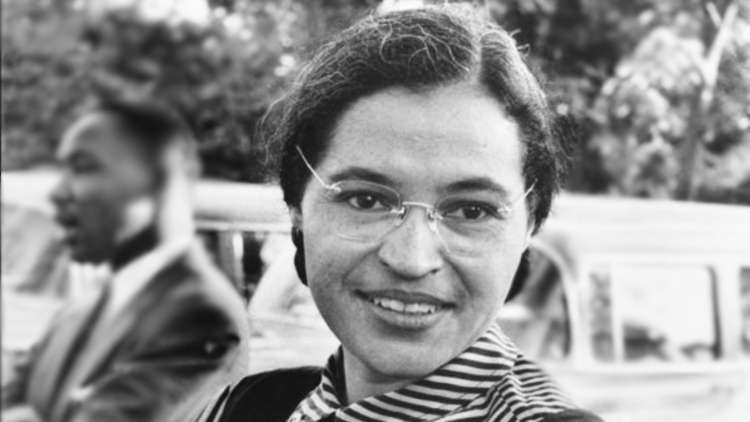
Rosa Parks: More Than a Moment
Rosa Parks is often remembered for a single moment in 1955, when she refused to give up her seat on a segregated Montgomery bus. But that moment didn’t exist in isolation. Parks had been deeply involved in civil rights work for years and served as secretary of the Montgomery NAACP.
Her arrest sparked the 381-day Montgomery Bus Boycott, which ultimately led to a Supreme Court ruling declaring bus segregation unconstitutional. It also helped bring Dr. Martin Luther King Jr. into national leadership.
Parks wasn’t simply tired. She was committed, and her courage became a turning point in American civil rights history.
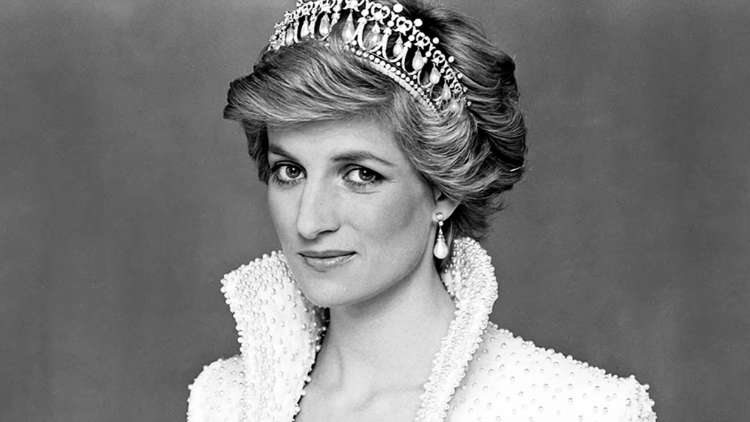
Princess Diana: Public Compassion, Global Impact
Princess Diana transformed what it meant to use a public platform.
In 1987, she publicly shook hands with an AIDS patient without wearing gloves at a time when misinformation and fear dominated global perception of HIV. That single image helped dismantle stigma worldwide.
She also campaigned internationally for a ban on landmines, drawing attention to civilian casualties long before the issue gained widespread policy traction. Her humanitarian advocacy brought empathy into international politics and changed how public figures could engage with marginalized communities.
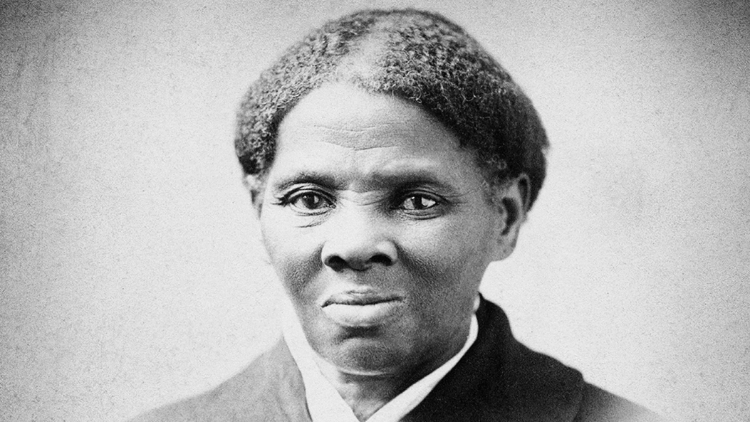
Harriet Tubman: Military Leader and Liberation Strategist
Harriet Tubman escaped slavery in 1849, but freedom did not mark the end of her fight. Over the next decade, she returned at least 13 times to rescue approximately 70 enslaved people through the Underground Railroad.
During the Civil War, Tubman served as a nurse, scout, and spy for the Union Army. In 1863, she became the first woman in United States history to lead an armed military expedition when she guided troops during the Combahee River Raid in South Carolina. That operation liberated more than 700 enslaved people.
Nearly two centuries after escaping slavery, Harriet Tubman remains one of the most enduring figures in American history.
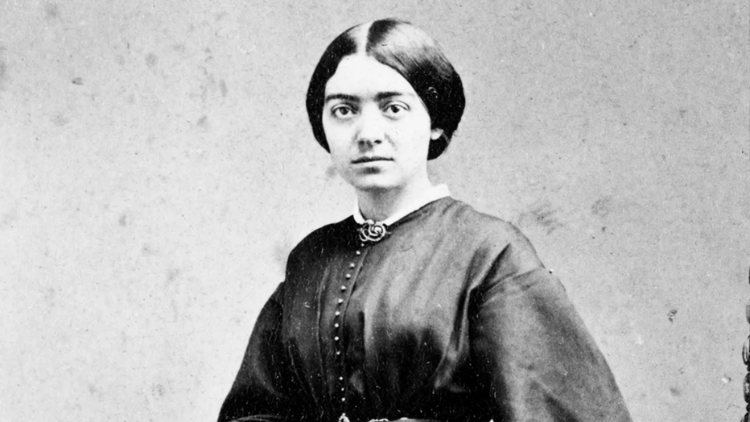
Mary Putnam Jacobi: Using Science to Dismantle Bias
In the 19th century, medical authorities widely argued that menstruation made women physically and intellectually unfit for higher education. Mary Putnam Jacobi challenged that claim with data.
In 1876, she published “The Question of Rest for Women During Menstruation,” using clinical evidence to disprove prevailing medical myths. She became one of the first female physicians in the United States and later a professor at the New York Infirmary.
Her work helped shift women’s health from assumption to research and carved space for women in medicine itself.
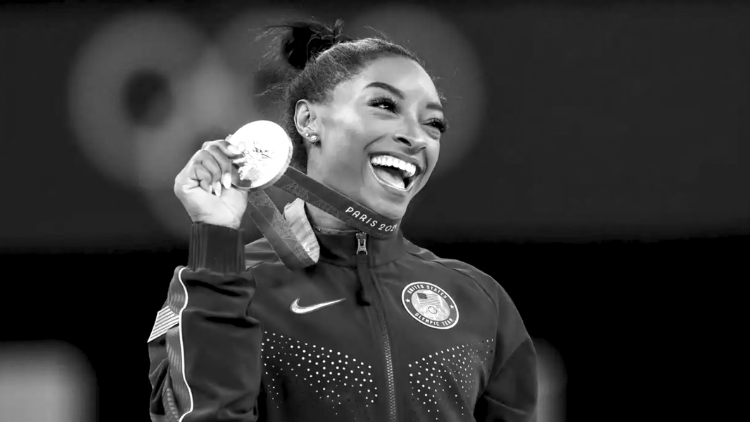
Simone Biles: Redefining Strength in Real Time
Simone Biles is one of the most decorated gymnasts in history, holding seven Olympic medals and more than 30 World Championship medals. Her athletic dominance includes skills so advanced that some are officially named after her.
In 2021, during the Tokyo Olympics, Biles withdrew from multiple events to prioritize her mental health after experiencing the “twisties,” a dangerous loss of spatial awareness mid-air. Her decision sparked global conversation about athlete well-being and the pressure placed on women to perform without pause.
She demonstrated that strength includes boundaries and that redefining success can be as powerful as winning.
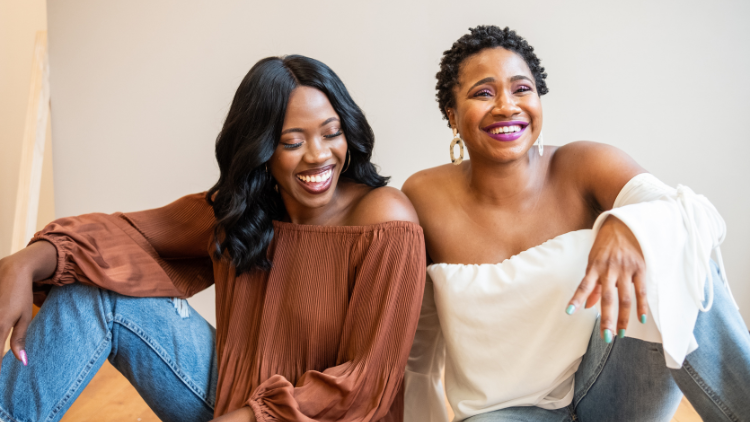
Hello Again: Relief Looks Good on You
The women we’ve highlighted this month changed laws, shifted access, and expanded what women could expect from the systems around them. Their work didn’t just influence culture; it created space. Space for better healthcare. Space for better information. Space for women to ask more of the world.
That kind of progress doesn’t stop at legislation. It shows up in business, in science, and in the everyday choices women are now allowed to make about their own bodies.
At Hello Again, we’re proud to be a women-owned and operated business—led by our CEO, Lisa Williams. The company was founded by Patty and Carrie, who developed CBD vaginal suppositories to support women through menopause, periods, and sleep challenges. Lisa believed deeply in what they had built: the products, the science, and the mission, and decided to acquire and grow the company.
She saw the potential not just in the products, but in the larger conversation around women’s health and committed to carrying that work forward.
The fact that we can openly talk about CBD, vaginal suppositories, hormones, and sleep disruption, without minimizing or whispering, reflects generational progress. Women deserve options. Women deserve education. Women deserve agency over how they feel. Continuing Hello Again is one small part of that larger movement: making sure those options exist and that the conversation doesn’t move backward.
The Work Isn’t Finished
We hope this month has encouraged you to look a little closer.
In the context of familiar names. At the work that happened before and after the moments most of us learned about in school. The fact that progress usually comes from preparation, persistence, and a willingness to challenge what feels settled.
Women’s History Month isn’t only about recognition. It’s about understanding how change actually happens and why it takes time. The women we highlighted weren’t accidental figures in history. They were informed, committed, and deliberate in the roles they played.
And like the women who came before us, the responsibility to keep building forward remains. There’s still work to do, ladies!
Key Takeaways
- History Is More Than a Highlight Reel: Women’s History Month is a reminder that behind every “defining moment” was preparation, risk, and sustained effort.
- Impact Rarely Happens Overnight: The women featured in this blog didn’t stumble into change; they built it, decision by decision.
- Progress Is Built, Not Granted: The rights, conversations, and visibility we have today exist because women before us pushed for them, and that work continues.